Francis Wambugu Irungu
 Kirinyaga Governor Anne Waiguru has thrown her hat into the ring for the Deputy President’s position, openly declaring her national ambitions while rallying residents behind the government and firing fresh shots at impeached former Deputy President Rigathi Gachagua.
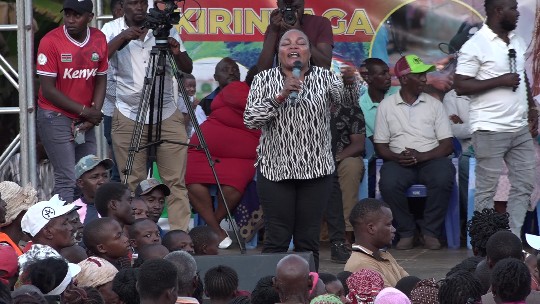
Speaking during an empowerment programme in Kariti Ward, Kirinyaga County, Waiguru made clear that her political journey does not end with the governorship, telling supporters that securing a seat at the highest table of national power requires both votes and firm alignment with the ruling administration.
“I aim for higher office, but that is not achievable without being in government. We need votes,” she said, adding that development itself is only deliverable when leaders are on the right side of power. “The only way one of our own can ascend to such a seat is if we are firmly in government.”
Waiguru argued that Kirinyaga deserves its turn at the top, noting that neighbouring Mt Kenya counties and regions, Kiambu, Mt.Kenya East and Nyeri, have previously produced presidents and deputy presidents. She said she intends to negotiate directly with President William Ruto for the deputy presidency slot ahead of the 2027 general elections.
“We believe Kirinyaga should also have an opportunity to produce the deputy president,” she said, expressing confidence that President Ruto continues to enjoy broad national support.
The declaration marks a significant shift for Waiguru, who had previously been associated with interest in the Kirinyaga Senate seat. She now enters a crowded field of Mt Kenya leaders with deputy presidential ambitions, which includes current Deputy President Kithure Kindiki.
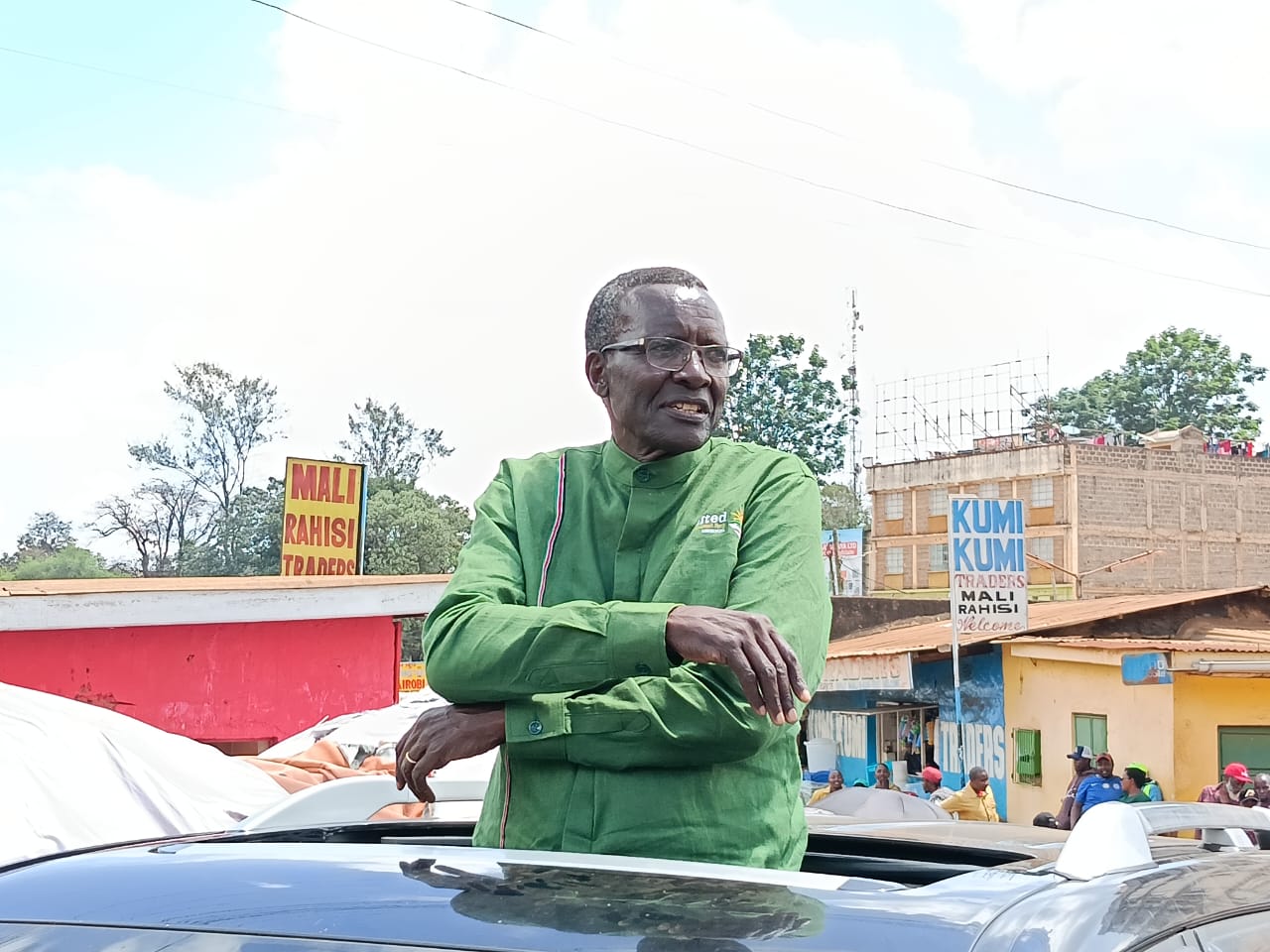
But Waiguru’s address was not solely about her own future. She turned her sights on Gachagua, accusing the former deputy president of betraying leaders who risked their political standing to defend him during his turbulent tenure.
“I was part of the team that defended him and worked to ensure there was peace at the time he was in office,” she said. “I do not know what changed later, but the meetings we held then were successful and meant to build unity.”
Waiguru expressed deep disappointment that Gachagua has since repaid that loyalty by publicly branding her a traitor, saying the attacks are both unfair and politically calculated.
She also alleged that Gachagua has been dispatching intermediaries to State House for covert late-night negotiations with the president, and challenged him to abandon the back-channel approach in favour of open dialogue.
“If he has issues with the president, he should come to the table directly and talk. Sending agents at night will not solve the problem,” she said pointedly.
Waiguru further accused Gachagua of treating the Mt Kenya region as personal political property to be deployed as a bargaining chip in his dealings with the national government, a characterisation she firmly rejected.
“Mt Kenya cannot belong to one person who then negotiates with it as if it were private property,” she said.
Despite the sharp exchanges, Waiguru stopped short of writing off any future political rapprochement between Gachagua and President Ruto, invoking Kenya’s well-documented tradition of rivals reinventing themselves as allies.
“In Kenyan politics, today’s rivals can become tomorrow’s partners. The history of this country shows that clearly,” she said.