Francis Wambugu Irungu
 Health Cabinet Secretary Aden Duale is spearheading a determined nationwide campaign to eradicate fraud plaguing Kenya’s healthcare sector, with a sharp focus on irregularities within the Social Health Authority (SHA).
Rampant issues such as ghost hospitals submitting fictitious claims, duplicate billing for the same services, and outright unethical practices at various facilities have eroded public confidence and drained taxpayer resources.
These problems surfaced prominently throughout 2025, prompting Duale to launch swift, decisive interventions that signal zero tolerance for corruption in public health services.
One of the most pervasive forms of fraud involves healthcare providers fabricating patient records or services that never occurred. In August 2025, Duale publicly dismissed sensational claims of SHA disbursing funds to non-existent “ghost hospitals,” clarifying that all payments were backed by verified documentation and legitimate reimbursements.
However, deeper investigations soon uncovered systemic abuses, exposing 35 hospitals across key counties including Kisumu, Nairobi, and others for engaging in double claims, billing SHA twice for identical procedures or patients. This led to immediate orders for their closure, cutting off access to public funds and protecting vulnerable citizens from exploitative schemes.
Media scrutiny amplified the urgency, particularly NTV Kenya’s hard-hitting investigative report titled “Wards of Evil,” which laid bare shocking malpractice at Sisto Mazzoldi Hospital in Nakuru. The exposé detailed allegations of substandard care, unethical treatments, and potential harm to patients, sparking public outrage. Responding promptly on December 17, 2025, Duale directed a comprehensive probe involving the Kenya Medical Practitioners and Dentists Council (KMPDC) and police, suspending the facility from SHA coverage, downgrading its operational level, and barring it from Taifa Care benefits until cleared.
Duale’s broader strategy has been unrelenting. Earlier in August, he suspended 40 hospitals nationwide for similar SHA fraud violations, boldly stating his willingness to be “unpopular” in the pursuit of discipline and integrity.
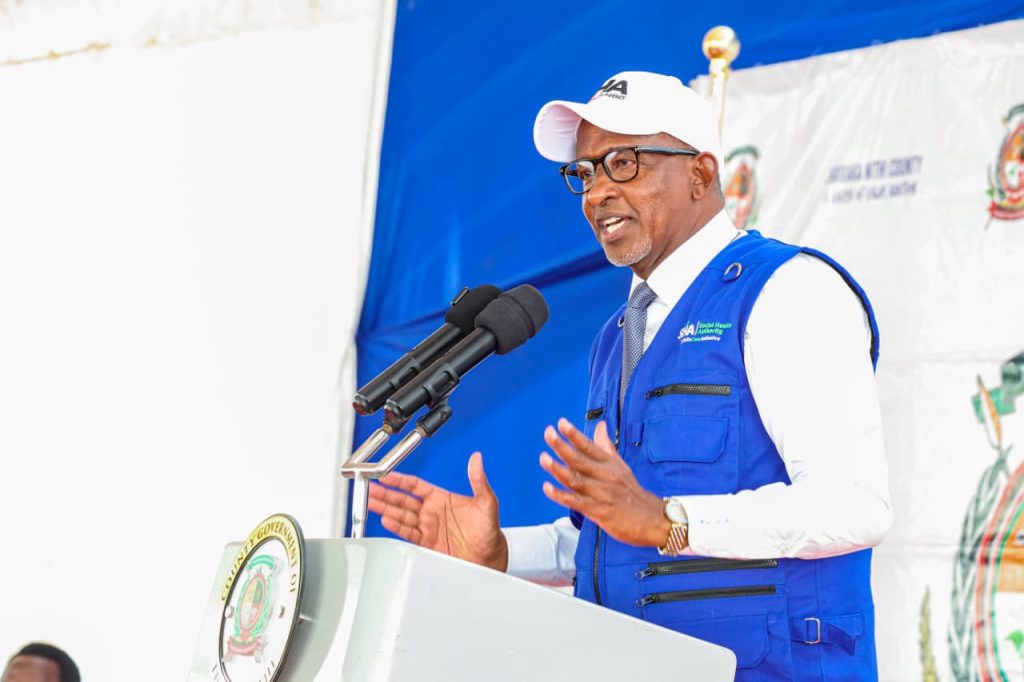
“I am ready to be unpopular because of SHA, but I must restore discipline,” he affirmed amid the crackdown. These actions are not isolated; they form part of an integrated reform push alongside the Taifa Care model rollout, which rewards compliant facilities with enhanced resources while weeding out bad actors.
Duale has complemented enforcement with on-ground inspections, such as his September 2025 visit to Huruma Sub-County Hospital in Nairobi, where he reviewed over 120 successful cataract surgeries funded by SHA, underscoring how accountability enables service expansion.
The impact of these measures extends far beyond individual closures. By safeguarding public finances, Duale’s initiatives ensure SHA funds reach genuine patients, bolstering universal health coverage goals. Patient safety remains paramount, as probes prevent facilities from operating under false pretenses.
Simultaneously, positive developments like the December 17 launch of a five-bed ICU and 14-bed amenity ward at Chuka Level 5 Hospital in Tharaka Nithi, and the groundbreaking for a 2,000-bed multi-specialty facility at Moi Teaching and Referral Hospital (MTRH) in Eldoret back in November, demonstrate a balanced approach: cracking down on fraud while investing in infrastructure.

This dual track, punitive action against fraudsters and proactive upgrades, positions Kenya’s health system for sustainability. Duale’s resolve has set a precedent, encouraging whistleblowers, strengthening oversight, and rebuilding trust. As Taifa Care expands, ethical providers stand to thrive, promising better access and outcomes for millions of Kenyans.
The ongoing probes, including at Sisto Mazzoldi, will likely yield further revelations, reinforcing that healthcare integrity is non-negotiable in the push for equitable, efficient services nationwide.