
 Francis Wambugu Irungu
 On December 29, 2025, Siaya Governor James Orengo provided insights into the current direction of the Orange Democratic Movement (ODM) party during an interview that stressed the intense focus on internal strengthening and leadership development. Orengo emphasized that ODM is at a crucial phase, dedicated to building itself into a robust national party. His remarks come at a time when the party faces significant challenges and contemplations about its future, especially ahead of the 2027 elections.
Orengo articulated a vision for ODM that seeks to draw upon the legacy of Raila Odinga, the party’s longtime leader. He stressed the importance of laying a solid foundation over the next 10 to 12 months before looking at any coalitions.
“I see an attempt to try and drive ODM to become a purely regional party,” Orengo warned, highlighting his concerns that alliances with parties such as the United Democratic Alliance (UDA) could potentially diminish ODM’s influence and scope.
He noted, “If we choose to work with UDA, ODM is going to be a small party; it will be pushed back to a regional or Luo Nyanza party which it is not. If we are not careful, it will be driven in that direction.”
These remarks occur against a backdrop of tensions within the party, particularly as some ODM figures have joined President Ruto’s cabinet. This move has sparked debates about the party’s future and its identity in a rapidly changing political landscape. The silence of party members from regions outside Luo Nyanza is noteworthy, indicating internal struggles that could threaten ODM’s unity and long-term health.
Orengo’s comments reflect a broader concern that ODM must prioritize its foundational strengths rather than rush into political compromises that may undermine its integrity and objectives. By focusing on internal cohesion and solidifying leadership structures, the party aims to maintain its prominence in Kenyan politics and avoid relegation to a regional status.
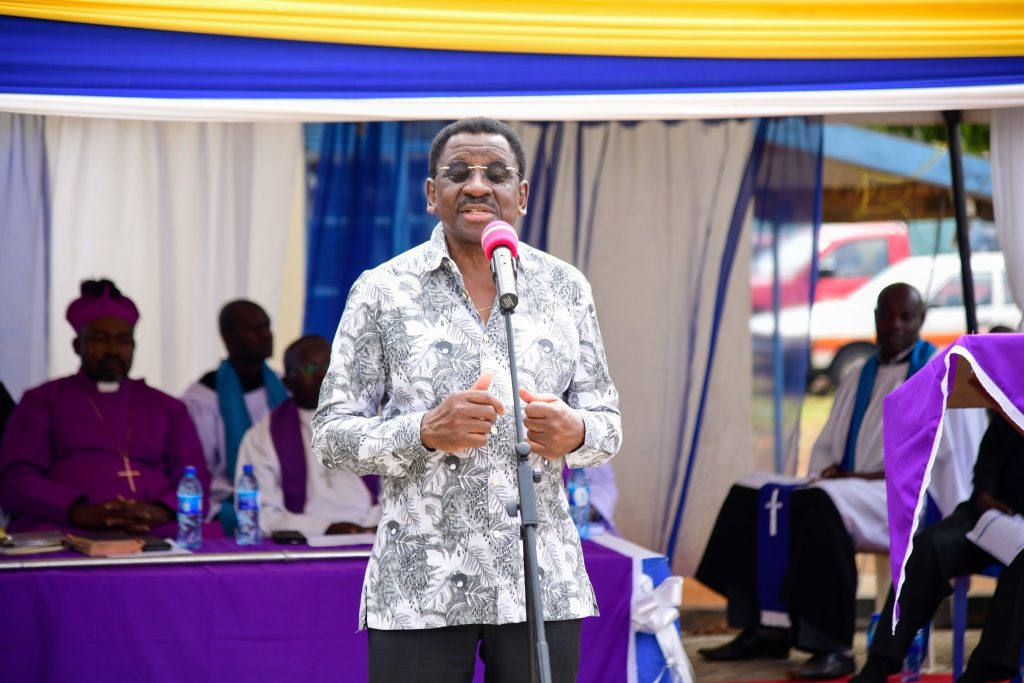

The governor’s stance is clear: ODM has a unique position as a party that has historically resonated with a diverse electorate. “ODM is the most popular party, and for that reason, the party should have an upper hand at the negotiation table with UDA,” he asserted. Orengo’s vision is not only to honor Odinga’s legacy but also to ensure that the party remains competitive on the national stage.
As ODM leaders navigate this challenging period, Orengo’s call for introspection and strategic planning resonates with a party at a crossroads. The urgency to build a strong leadership base is palpable, particularly as the landscape grows more complex with the approaching election. The balancing act between building internal strength and engaging in political alliances will define the trajectory of ODM in the months ahead.
Governor James Orengo’s insights highlight the critical moment for the ODM party. His emphasis on avoiding regionalism and the importance of a national agenda serves as a reminder of the challenges that lie ahead.
With the right focus on leadership development and party cohesion, ODM could emerge fortified and ready to make an impact in the upcoming electoral contests. The choice between alliances and self-determination will be pivotal as the party strives to honor its past while reaching for a viable future.


